Baton Rouge Flat Roofing
Benefits of Flat Roofing
Flat and low-slope roofing systems are commonly used on commercial buildings and select residential structures throughout Baton Rouge. These roof types require specialized materials and installation methods to properly manage water, heat, and long-term exposure to Louisiana’s climate.
At Cribbs, Inc., we install and service flat roofing systems designed to perform in high heat, humidity, and heavy rainfall. Our team works with multiple membrane systems to match the structure, usage, and performance needs of each property.
Water Management
Low-slope roofing systems are designed to control standing water through continuous membranes, sealed seams, and planned drainage paths. This construction helps protect flat roof surfaces from leaks and moisture-related damage.
Durability & Performance
Flat roofing membranes are engineered to withstand heat, humidity, and daily exposure common in Baton Rouge. When installed correctly, these systems deliver long-term protection and help reduce the risk of premature wear and deterioration.
System Flexibility
Flat roofing systems can be selected and configured based on the structure, roof layout, and use of the building. Multiple membrane options allow the system to meet specific performance and durability needs.
What Is a Flat or Low-Slope Roof?
Flat roofs are designed with minimal slope to allow controlled drainage rather than rapid water runoff. Because water does not shed as quickly as it does on steep-slope roofs, flat roofing systems rely on continuous membranes, secure seams, and proper drainage details to prevent leaks and moisture intrusion.
Common Applications
Flat and low-slope roofing systems are commonly used on a wide range of commercial and structural building types, including:
- Commercial buildings
- Industrial facilities
- Office complexes
- Multi-family properties
- Select residential additions or structures
Installation Considerations
Because flat roofs manage water differently than steep-slope systems, proper installation details play a critical role in long-term performance. Key considerations include:
Continuous membrane systems | Secure seams and transitions | Drainage planning | Proper flashing at penetrations
In addition to these elements, installation must account for the building’s layout, roof access points, and daily use of the roof surface.
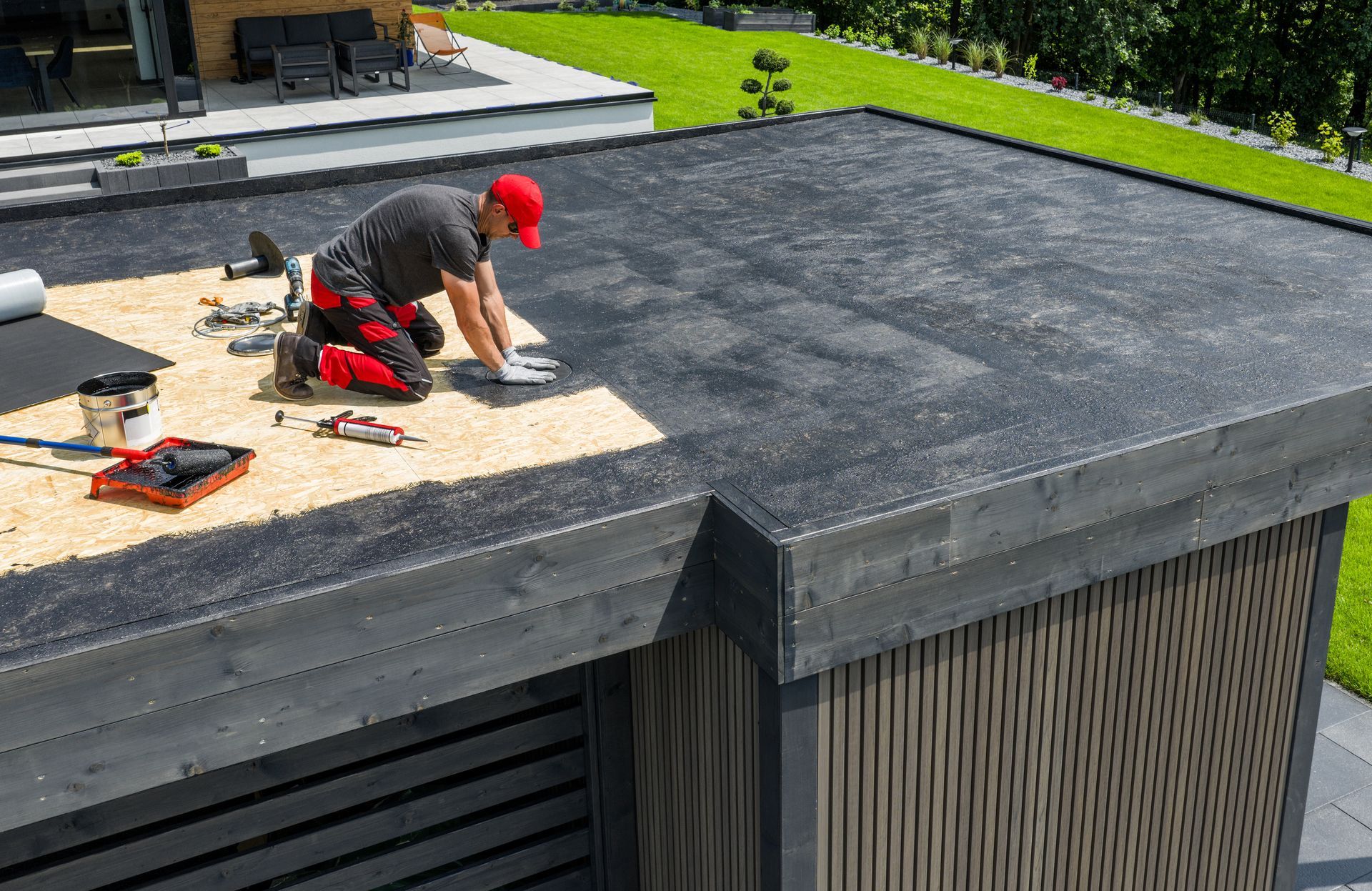
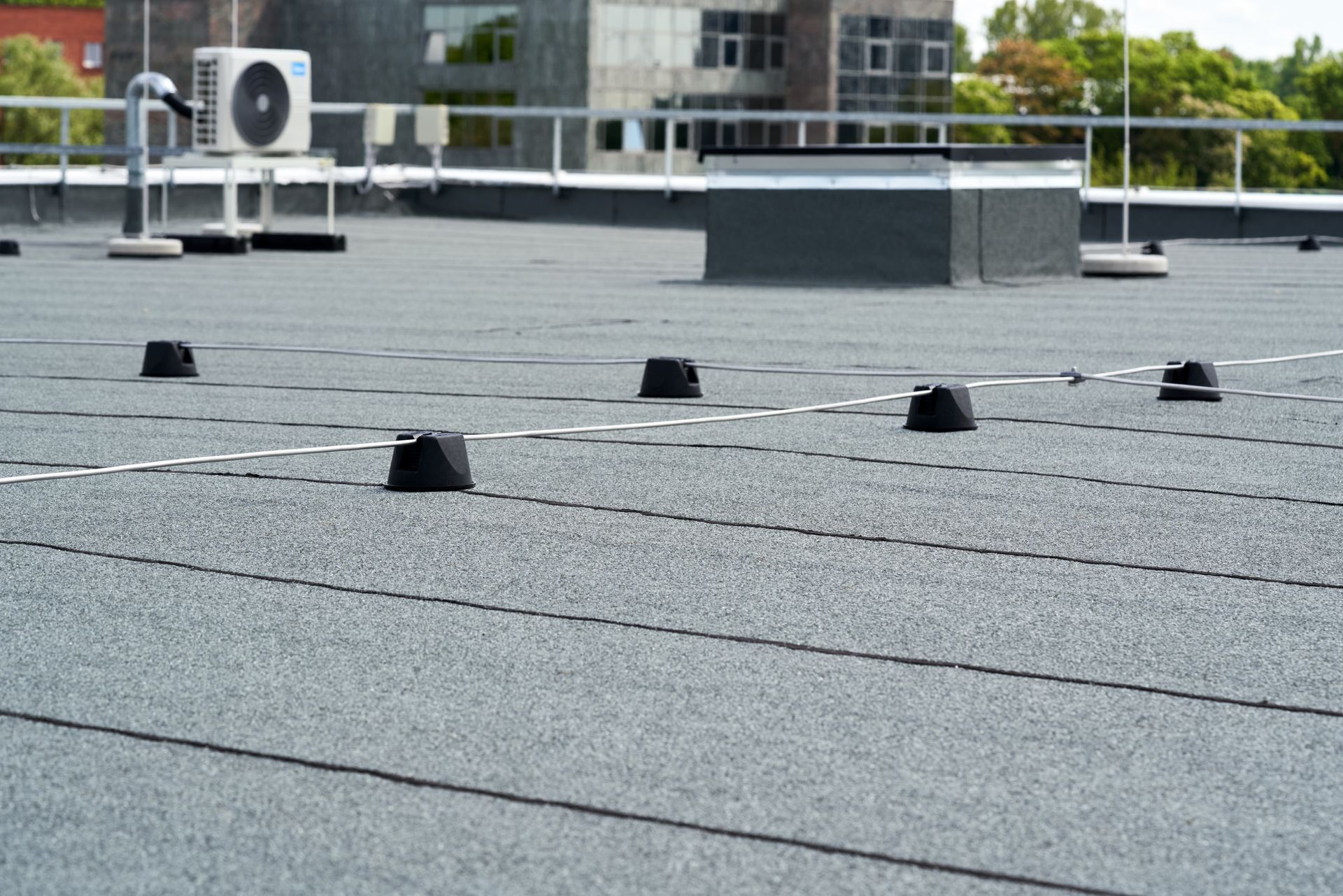
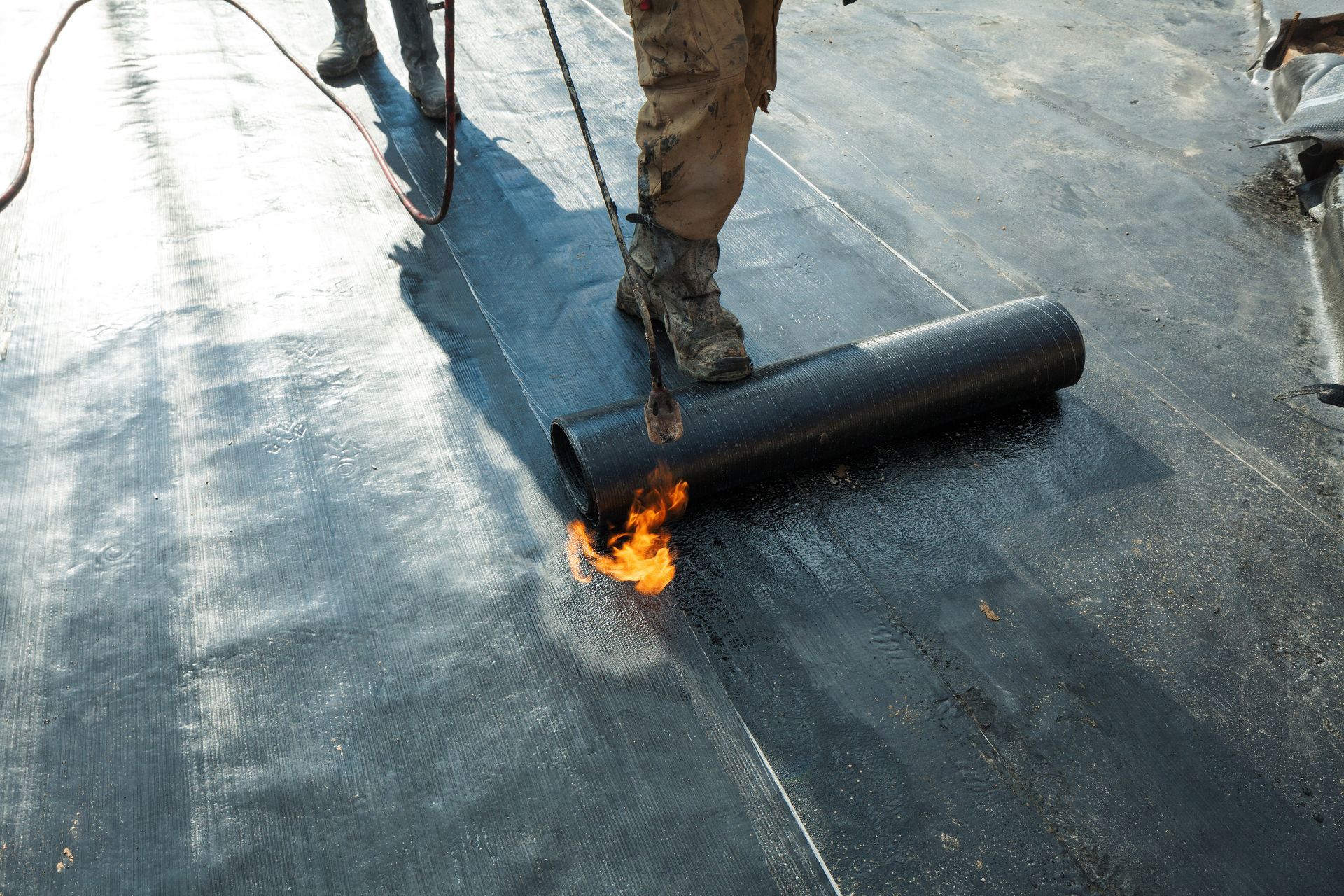
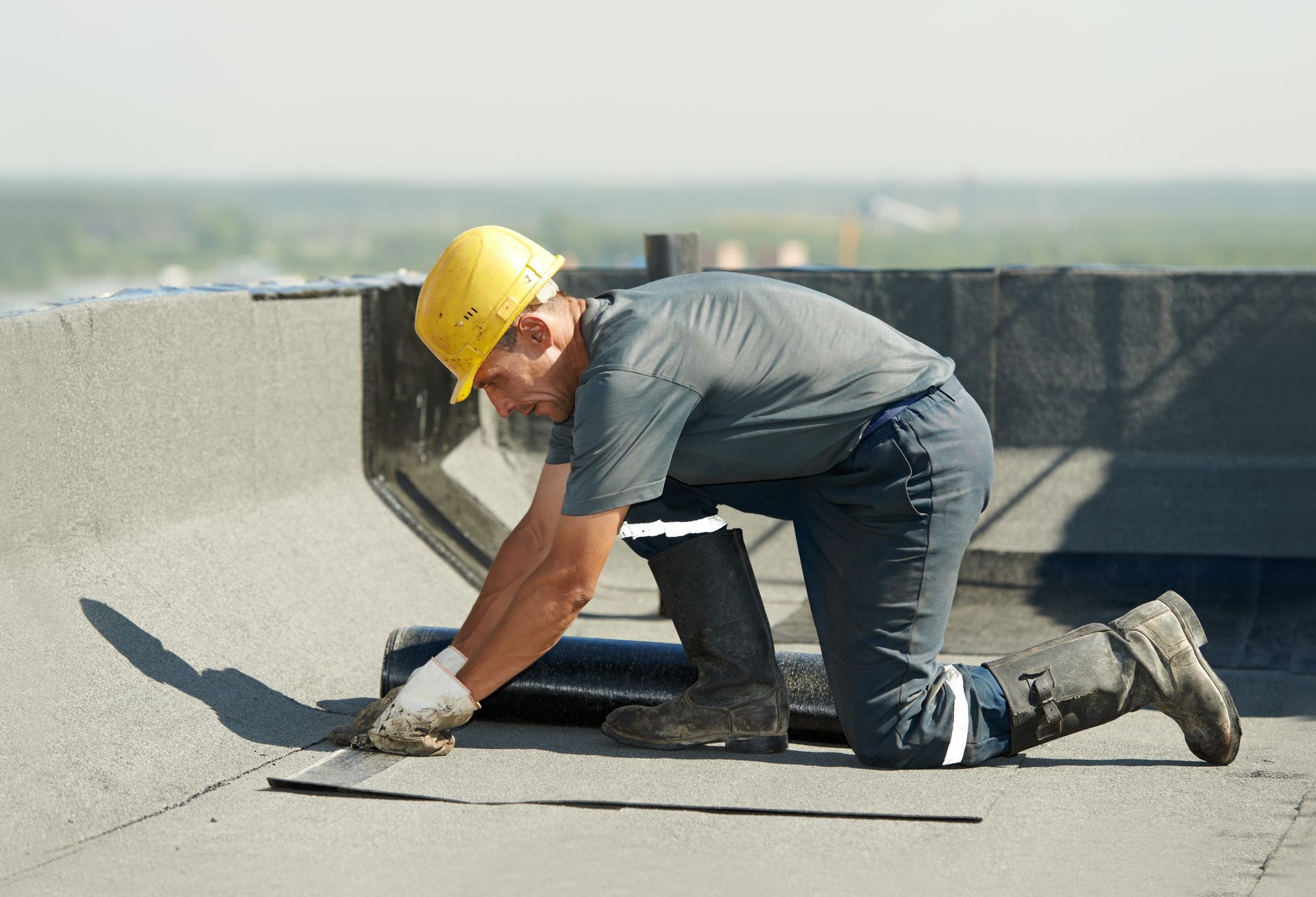
Flat Roofing Systems for Commercial and Low-Slope Roofs
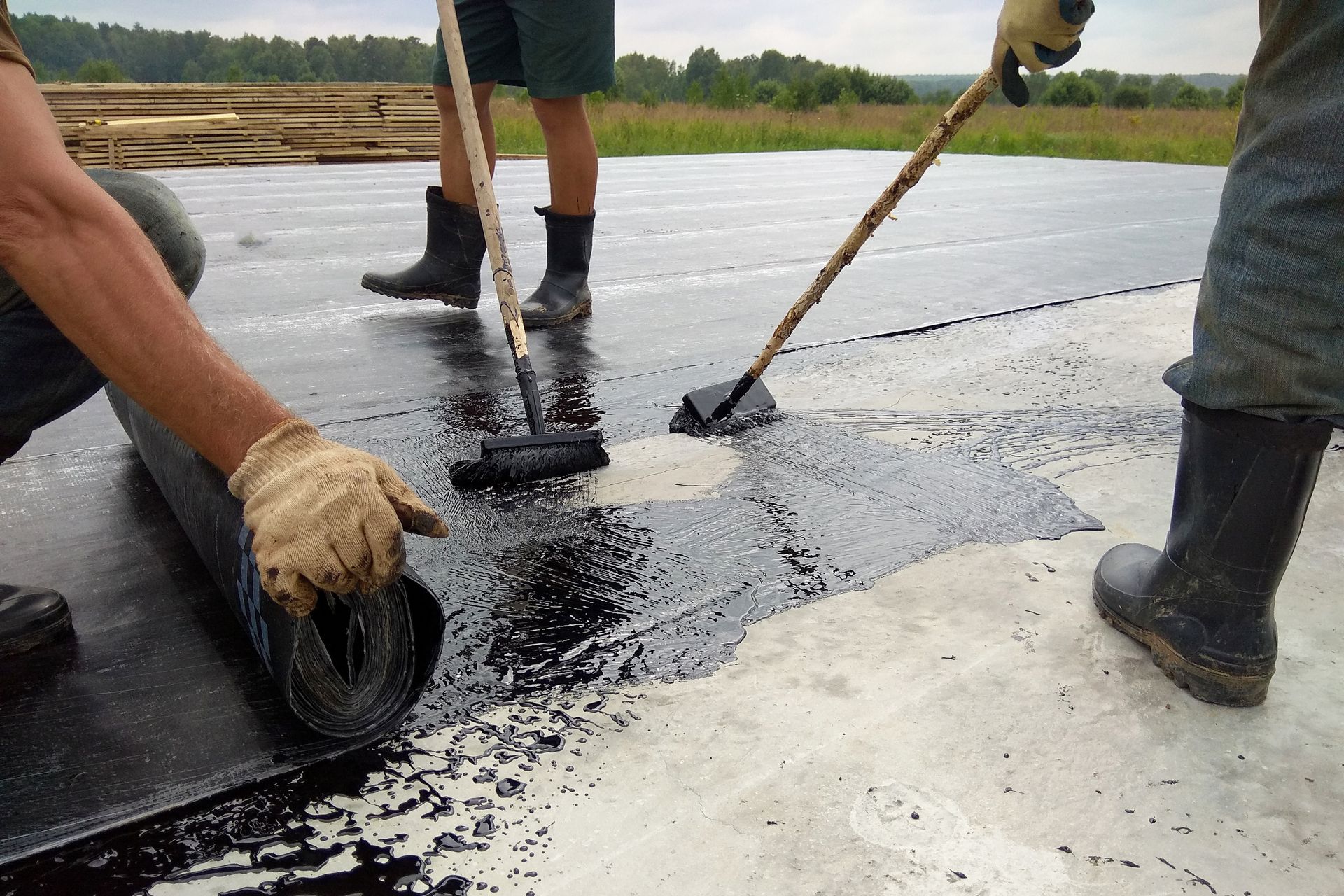
Modified Bitumen Roofing
A multi-ply, asphalt-based roofing system designed for durability and reliable waterproof protection. Modified bitumen performs well on low-slope roofs that require added strength and resistance to standing water.
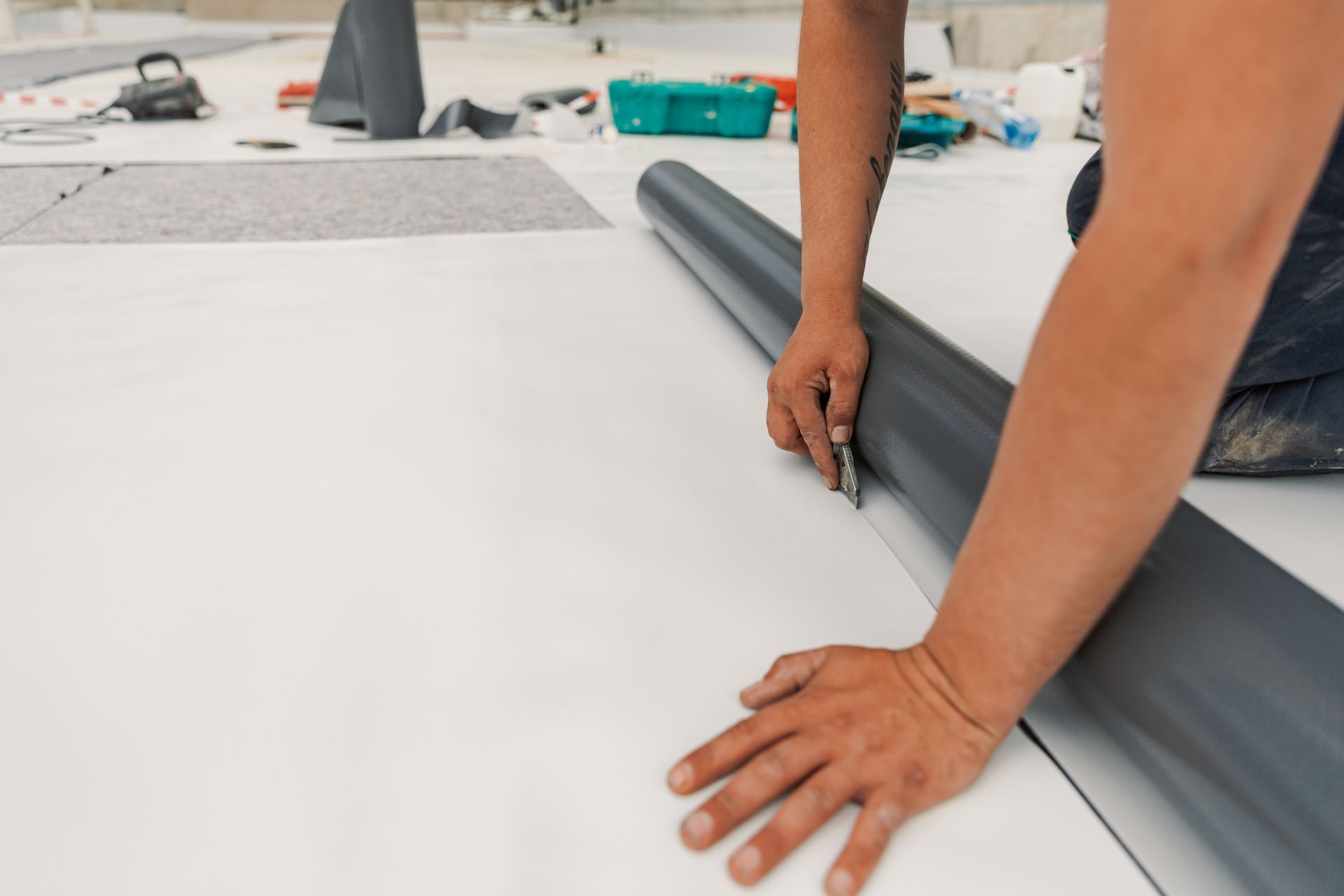
TPO Roofing
A single-ply roofing membrane known for heat reflectivity and energy efficiency. TPO is commonly used on commercial buildings where temperature control and long-term performance are priorities.
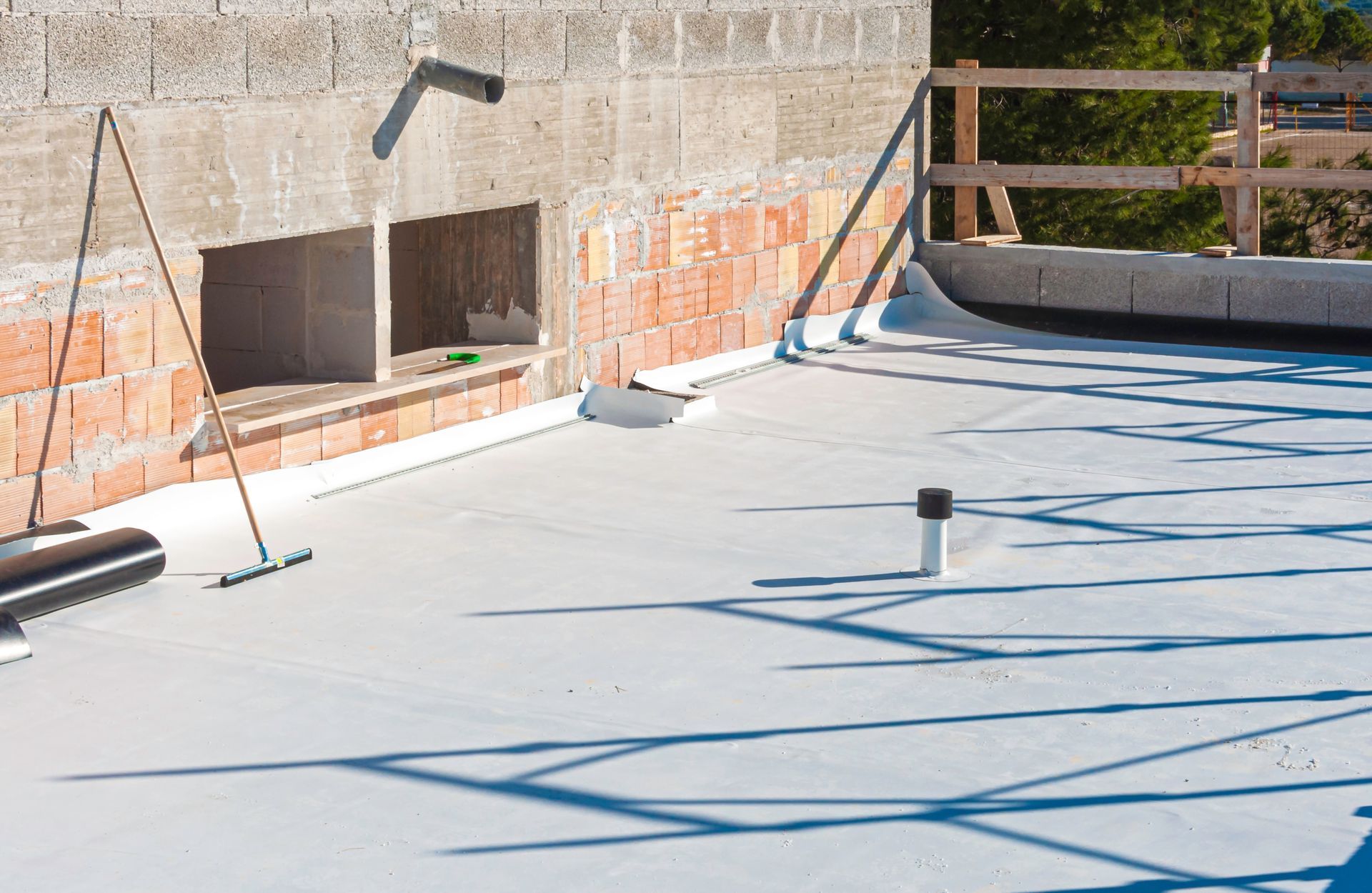
PVC Roofing
A durable single-ply membrane with strong seam integrity and chemical resistance. PVC roofing is often selected for buildings with rooftop equipment or exposure to grease and chemicals, especially in commercial environments.
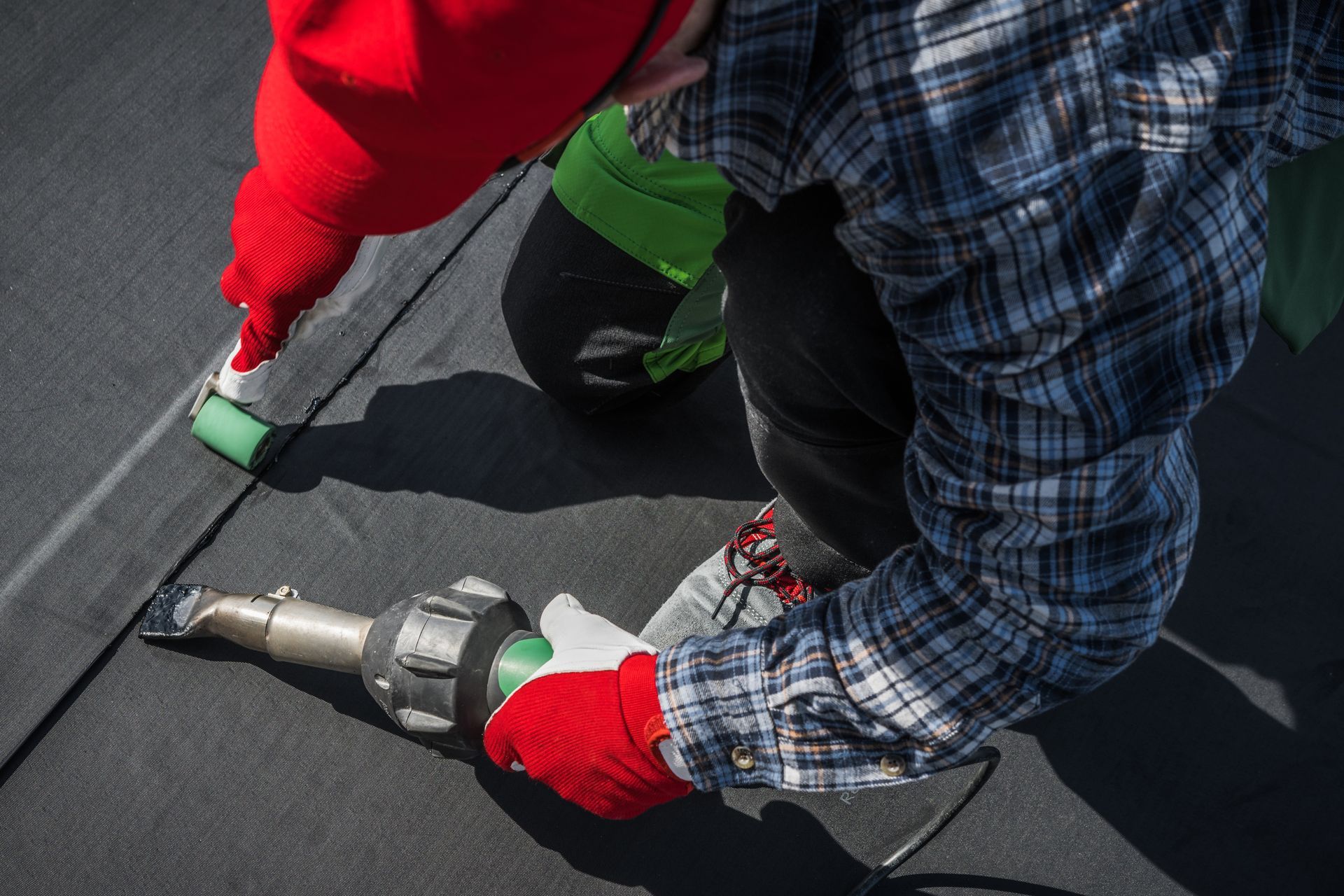
EPDM Roofing
A flexible rubber roofing membrane designed to accommodate temperature changes and large roof areas. EPDM offers dependable performance on a wide range of flat roof applications.
Let’s talk about your roof.
Contact Cribbs to learn more about your roofing options and to request an estimate. To get started, simply complete this form.
Architectural sheet metal Roof Estimate

S. Morgan
M. Miele
B. Wines
R. Longstreet
E. Kaufman
Roofing Blogs