Why Roof Flashing Failures Cause So Many Roof Leaks in Baton Rouge
Many homeowners assume roof leaks originate from damaged shingles or exposed roofing. In reality, some of the most common leak sources occur around chimneys, vents, skylights, valleys, wall intersections, and other roof transitions. These vulnerable areas rely on a critical component known as roof flashing.
Roof flashing is designed to direct water away from seams, joints, and roof penetrations where moisture is most likely to enter. When flashing becomes loose, corroded, damaged, or improperly sealed, water can work its way beneath roofing materials and cause hidden structural damage over time.
In South Louisiana, frequent rain, high humidity, strong winds, storm debris, and hurricane-season weather place additional stress on roofing systems. At Cribbs Roofing & Sheet Metal, we often find that leaks are not caused by the roofing materials themselves, but by the small details that help keep water out in the first place.
What Areas of a Roof Rely Flashing?
Roof flashing is installed wherever the roof changes direction, meets another structure, or contains an opening that could allow water intrusion. These transition points are naturally more vulnerable to leaks and depend on properly installed flashing to remain watertight.
Common flashing locations include:
- Chimneys
- Skylights
- Vent pipes
- Roof valleys
- Dormers
- Wall-to-roof intersections
- Roof edges
Because these areas handle large volumes of water during heavy rain, even minor flashing damage can create an entry point for moisture.
Why Does Roof Flashing Fail?
Roof flashing can fail due to age, poor installation, corrosion, storm damage, deteriorating sealants, or roof movement.
Common causes include:
- Loose fasteners
- Cracked caulking
- Rust or corrosion
- Lifted flashing from high winds
- Poor installation
- Storm debris impact
- Expansion and contraction from extreme temperatures
One of the most common issues we see is an overreliance on sealants. While caulk can help protect certain flashing details, it is not a substitute for properly fabricated and installed flashing. Once sealants crack or separate, water can find its way beneath the roofing system.
Why are Flashing Leaks Common in Baton Rouge?
Flashing leaks are common in Baton Rouge because local roofs are exposed to heavy rainfall, high humidity, strong winds, and frequent storm activity throughout the year.
A small flashing gap may not leak during light rain, however during a severe thunderstorm or tropical system, wind-driven rain can be forced beneath loose flashing and into the roofing system. Moisture often travels before becoming visible, meaning homeowners may not notice a problem until ceiling stains or interior damage appear.
South Louisiana's combination of heat and humidity can also accelerate sealant deterioration and create conditions where trapped moisture causes additional damage.
Where Is Roof Flashing Most Likely to Leak?
Flashing is most likely to leak around roof penetrations and transition points where water naturally collects or changes direction.
The most common leak locations include:
- Chimney flashing
- Roof valley flashing
- Vent pipe flashing
- Skylight flashing
- Wall-to-roof flashing
Because many of these areas are hard to inspect from the ground, flashing problems often go unnoticed until water enters the home.
Can Storms Damage Roof Flashing?
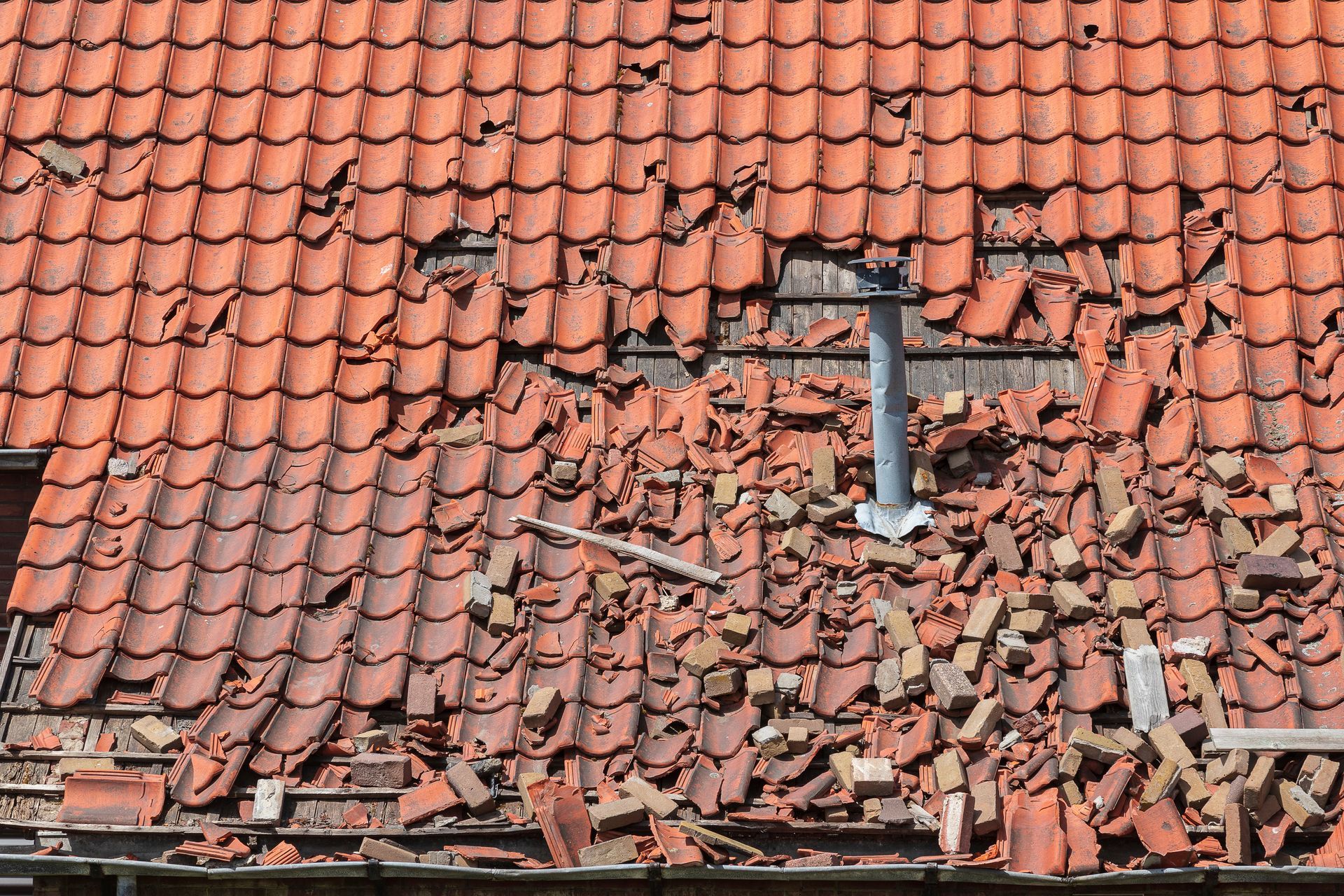
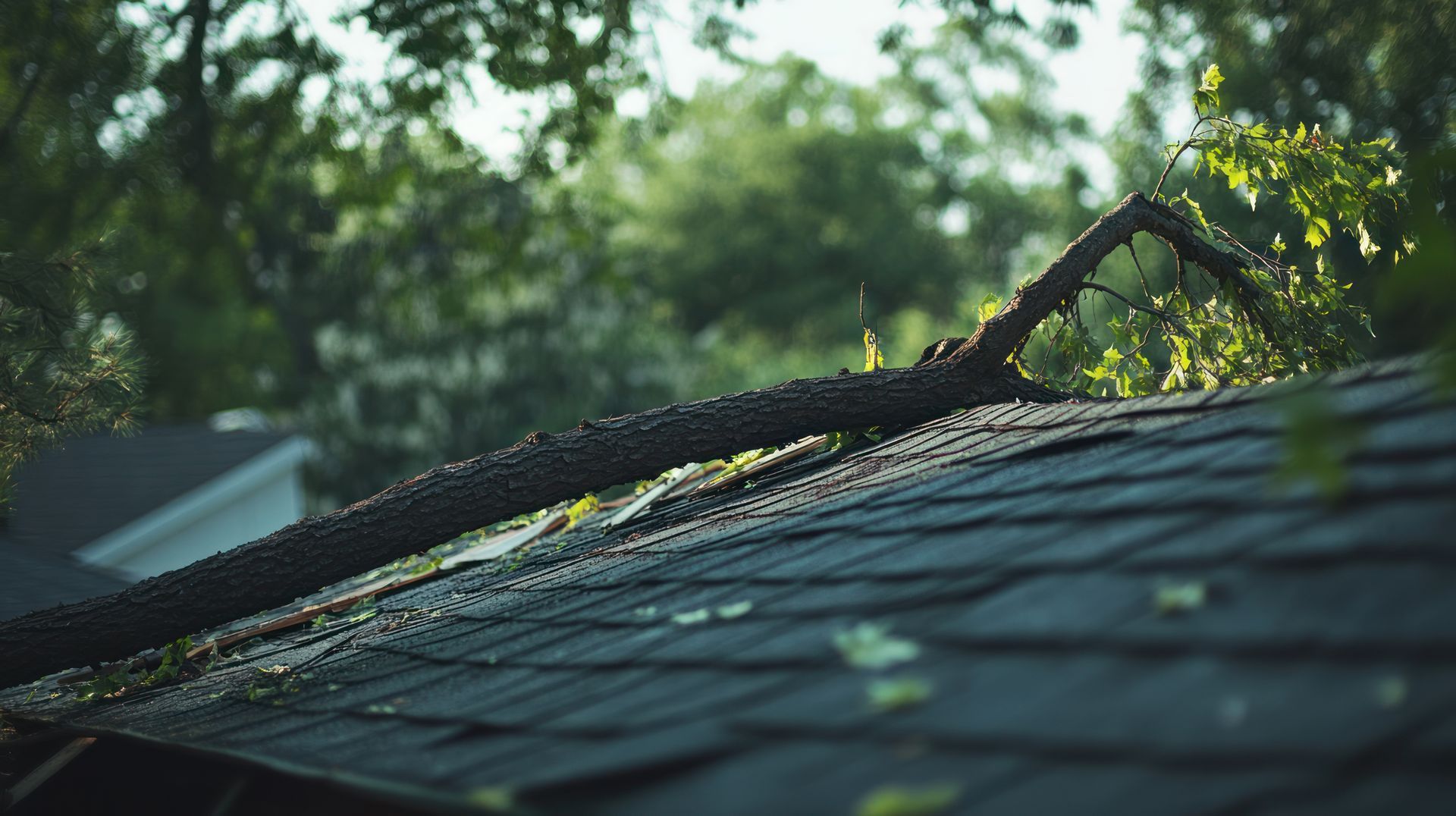
Yes. Storms can damage roof flashing by lifting metal components, loosening fasteners, cracking sealant, or pushing debris into vulnerable roof areas.
After severe weather, flashing damage can include:
- Bent metal
- Loose flashing edges
- Damaged vent boots
- Separated flashing seams
- Cracked sealant
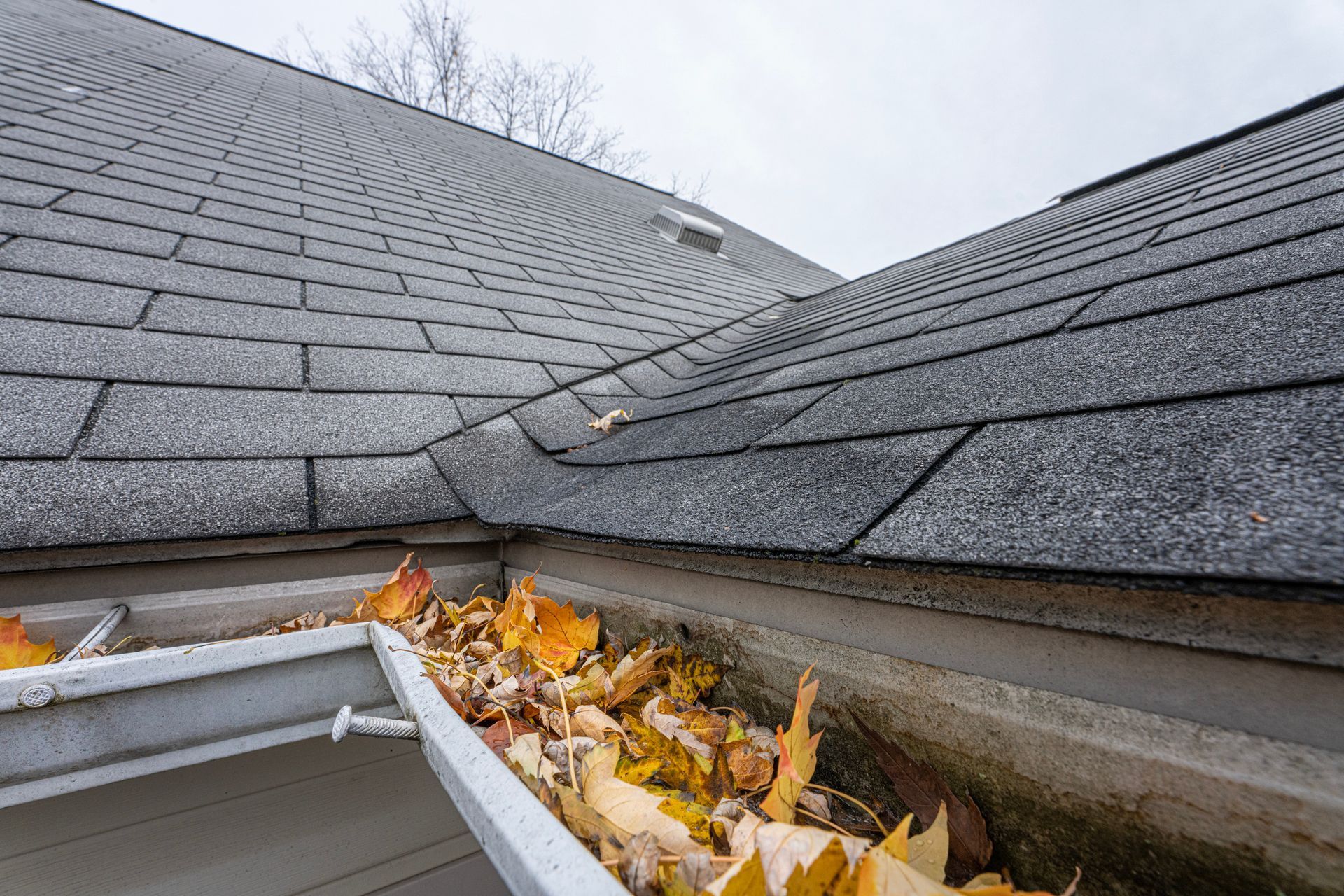
- Debris accumulation in valleys
Even when shingles appear intact, flashing damage can create pathways for water intrusion.
When Does Roof Flashing Need to Be Repaired vs. Replaced?
The answer depends on the extent of the damage.
Minor issues such as loose fasteners, isolated sealant failures, or small flashing adjustments can often be repaired. However, severely corroded, improperly installed, bent, or deteriorated flashing may require replacement to restore long-term protection.
A professional inspection can determine whether a repair will provide a lasting solution or if replacement is the better investment.

What Are the Signs of a Flashing-Related Roof Leak?
Common signs of a flashing-related roof leak include:
- Brown or yellow ceiling stains
- Damp attic insulation
- Musty odors after rainfall
- Peeling paint or bubbling drywall
- Water around chimneys or skylights
- Visible rust around flashing
- Gaps or separation around flashing details
If these signs appear after heavy rain or severe weather, it is important to schedule an inspection before the damage worsens.
How Can Homeowners Prevent Flashing Leaks?
Routine maintenance and early detection can significantly reduce the risk of flashing-related leaks
Homeowners should:
- Inspect the roof after major storms
- Keep gutters clear
- Remove debris from roof valleys
- Trim overhanging tree limbs
- Check the attic for signs of moisture
- Address loose flashing or cracked sealants promptly
Preventative maintenance often costs far less than repairing interior water damage.
When Should You Call a Roofing Professional?
You should contact a roofing professional if you notice water stains, recurring leaks, storm damage, loose flashing, or signs of moisture around roof penetrations.
Flashing leaks can be difficult to diagnose because water often travels away from the original entry point. A professional inspection can identify the source of the problem and recommend the appropriate repair before additional damage occurs.
Protect Your Roof From Flashing-Related Leaks
Roof flashing may not be the most visible component of a roofing system, but it plays a crucial role in protecting your home from water intrusion. When flashing fails, moisture can enter through seams, transitions, and openings that are difficult to detect from the ground.
For Baton Rouge homeowners, heavy rainfall, humidity, frequent storms, and extreme temperatures make flashing maintenance especially important. Addressing small flashing issues early can help prevent larger and more expensive roofing problems later.