How Does Poor Roof Ventilation Can Shorten the Life of Your Roof
Poor ventilation allows heat and humidity to build up in your attic, creating added stress on your roof system and increasing the risk of moisture damage, mold, and premature roof deterioration. Over time, excessive heat can accelerate shingle deterioration, while trapped moisture can damage decking, insulation, and framing.
Your roof absorbs sunlight throughout the day. When attic temperatures rise and airflow is limited, heat becomes trapped beneath the roof deck. This added stress can cause roofing materials to age faster than intended.
Humidity creates a different challenge. Moist air can collect inside the attic and settle on roof decking, rafters, nails, and insulation. What begins as excess moisture can eventually lead to mold, mildew, wood rot, and reduced insulation performance.
Why is Roof Ventilation Important in Baton Rouge?
Roof ventilation is important because it helps remove hot, humid air from the attic before it can cause damage.
Baton Rouge roofs face months of intense heat and humidity every year. Without proper ventilation, attic temperatures can climb dramatically, creating conditions that increase wear on roofing materials and reduce overall roof performance.
A balanced ventilation system allows fresh air to enter through intake vents while hot, humid air exits through exhaust vents. Depending on the design of the home, that system may include soffit vents, ridge vents, roof vents, gable vents, or louver vents.
Proper airflow helps regulate attic temperatures, reduce moisture buildup, and support the long-term health of the entire roofing system.
What are the Signs That Heat and Humidity are Damaging Your Roof?
Some warning signs appear on the roof itself, while others may be noticed inside the attic or home.
Homeowners should watch for:
- A hot, stuffy attic
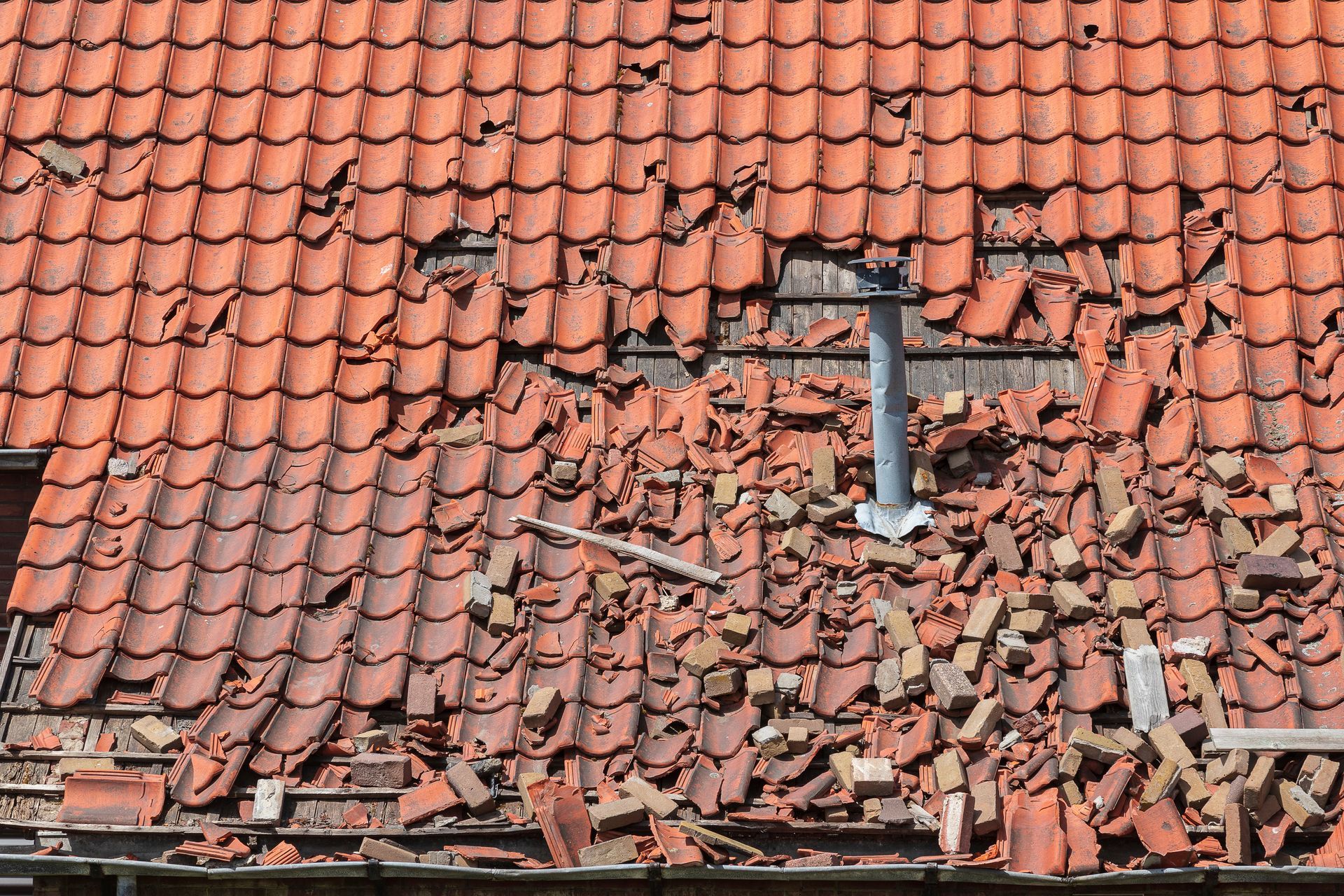
- Shingles that are curling, cracking, or aging unevenly
- Musty odors near attic access points
- Dark stains on roof decking or rafters
- Damp or compressed insulation
- Rust on nails or metal fasteners
- Mold or mildew growth in the attic
- Rooms that remain warmer than the rest of the house
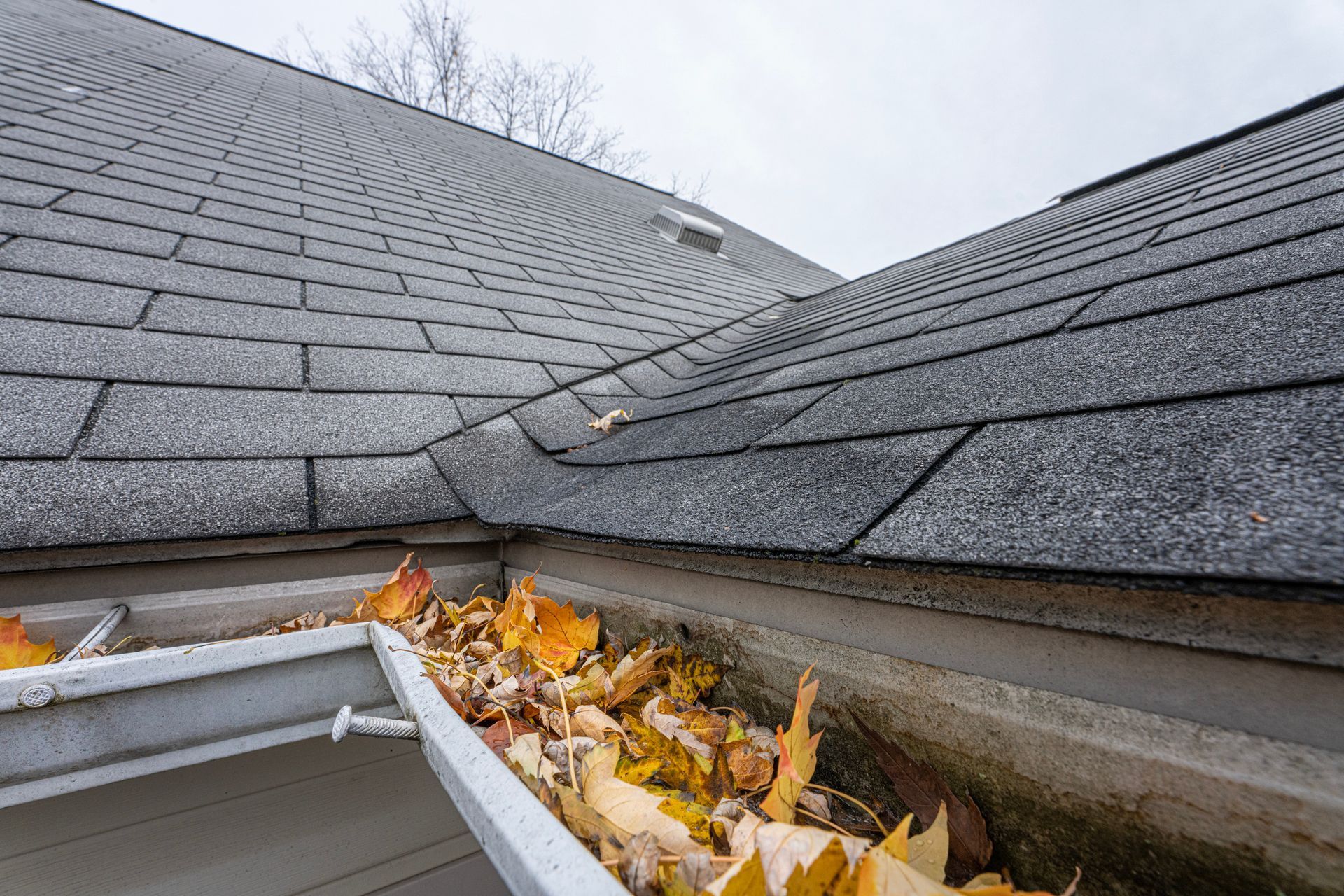
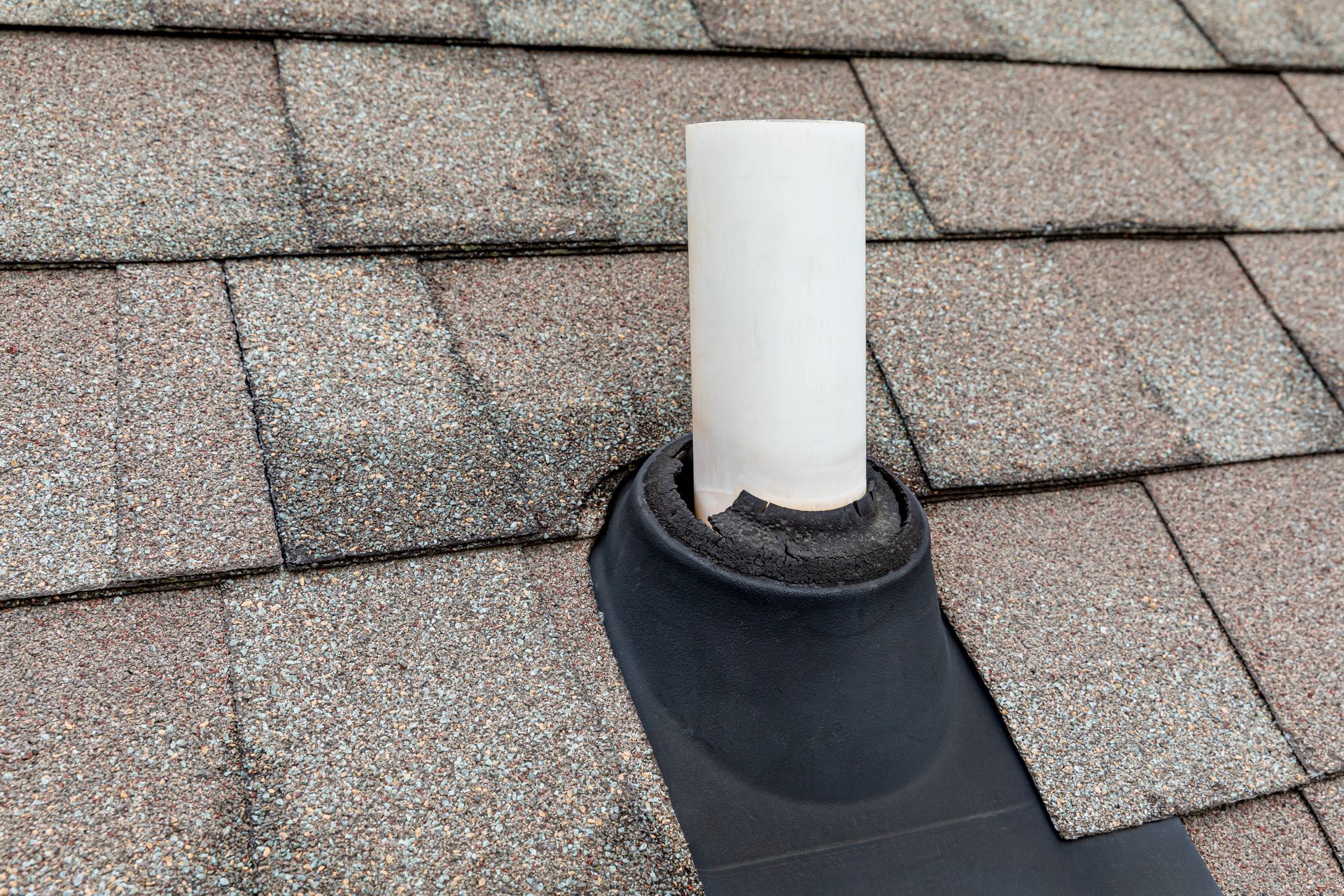
Not every moisture issue is caused by humidity alone. Roof leaks, damaged flashing, clogged gutters, and roof penetrations can also allow water into the roofing system. A professional inspection can help determine the source of the problem.

Can Heat and Humidity Damage Shingles and Roof Decking?
Yes. Heat and humidity can significantly impact both shingles and roof decking over time.
When excessive heat becomes trapped beneath the roof deck, shingles may experience additional thermal stress from both above and below. This can contribute to premature curling, cracking, granule loss, and uneven wear.
Humidity can be equally damaging. Moist air trapped inside the attic can condense on wood surfaces, causing staining, warping, soft spots, or wood rot. Once roof decking becomes compromised, repairs often become more extensive and expensive than replacing a few damaged shingles.
Because of this, roofing professionals often evaluate attic conditions, ventilation systems, and roof decking during routine inspections and roof replacement projects.
What Does Balanced Roof Ventilation Mean?
Balanced roof ventilation means there is enough intake and exhaust airflow to keep air moving through the attic.
Intake vents allow fresh air to enter, while exhaust vents allow hot and humid air to escape. Both are necessary for proper airflow.
Adding more vents does not always solve a ventilation problem. If intake vents are blocked by insulation or debris, exhaust vents cannot perform efficiently. Likewise, installing multiple vent types without a coordinated design can reduce overall airflow.
A roofing professional can inspect the attic and roofline to determine whether your home has the right balance of intake and exhaust ventilation. During the inspection, they may also evaluate shingles, flashing, gutters, roof penetrations, and decking to identify any additional concerns.
When Should You Schedule a Roof Inspection?
You should consider a professional roof inspection if your attic feels unusually hot, you notice musty odors, your shingles appear to be aging prematurely, or you see signs of moisture in the attic.
Inspections are also recommended after severe storms, when planning a roof replacement, or if your roof is approaching the later stages of its expected lifespan.
Many heat- and moisture-related roofing problems develop gradually. Identifying them early can help prevent more expensive repairs and extend the life of your roof.
Protect Your Roof from Louisiana's Heat and Humidity
Heat and humidity are part of life in South Louisiana, but they can take a toll on your roof if underlying issues go unnoticed. Proper ventilation, routine inspections, and timely repairs can help reduce the risk of premature roof damage and extend the lifespan of your roofing system.
If you're concerned about attic heat, moisture buildup, or signs of roof deterioration, contact Cribbs Roofing & Sheet Metal to schedule a professional roof inspection and estimate.