How Can Storm Debris Damage Roofing Materials Over Time?
Storms in Louisiana leave more than puddles and downed limbs. After heavy rain, strong winds, or hurricanes, debris collects on rooftops and in gutters, creating hidden issues that gradually damage roofing materials.
Homeowners often believe debris is only a problem if damage is visible, but smaller issues can develop long before leaks appear. Leaves, branches, dirt, and wind-driven gravel wear down shingles, trap moisture, and weaken the roofing system with no immediate warning.
At Cribbs Roofing & Sheet Metal, we often inspect roofs in Baton Rouge and surrounding areas after storms and find damage homeowners never noticed from the ground.
What Types of Storm Debris Cause the Most Roof Damage?
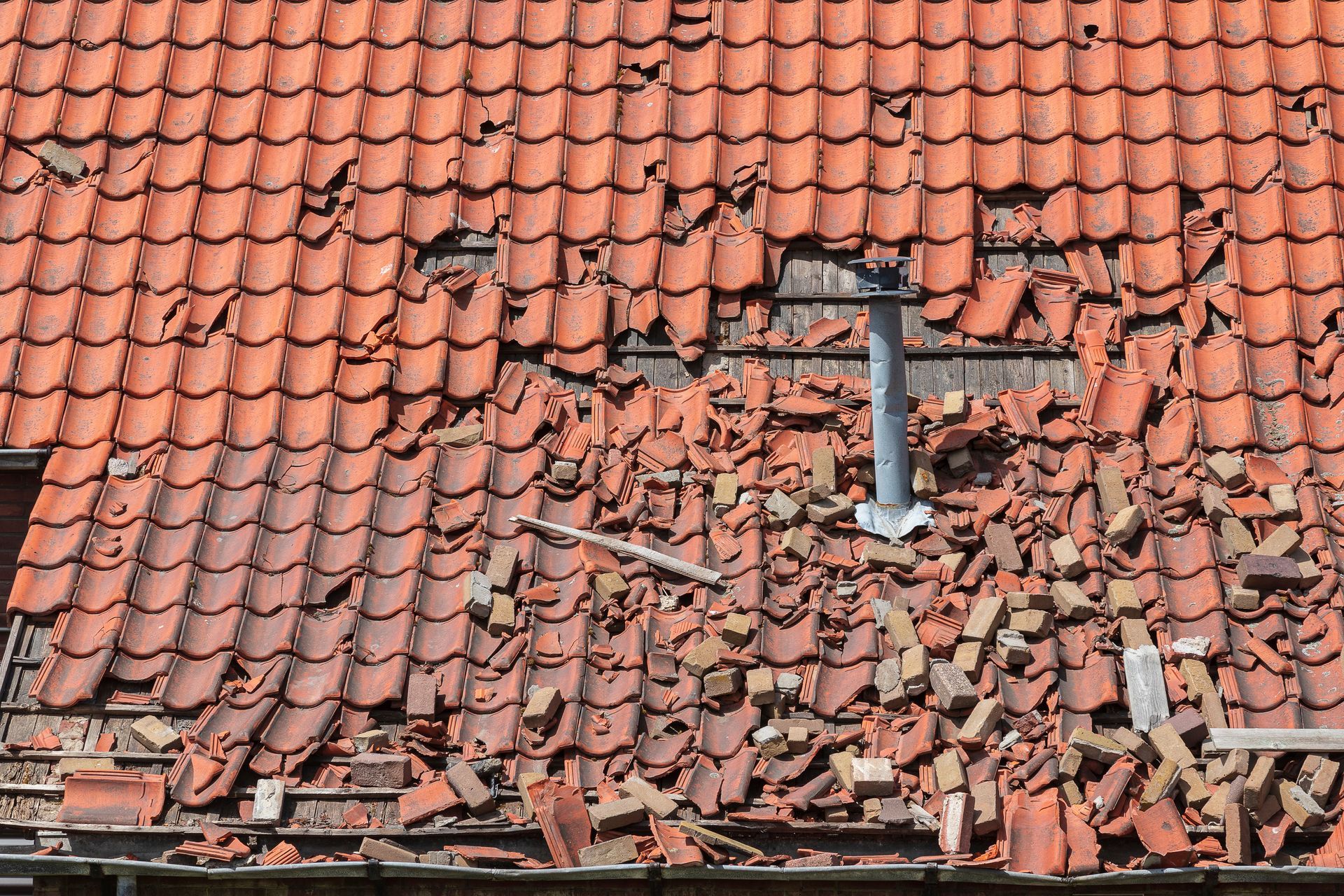
Tree limbs, leaves, pine needles, and wind-driven debris are leading causes of lasting roof damage. Heavy debris causes impact damage; smaller debris traps moisture, accelerating deterioration.
Louisiana storms scatter debris on rooftops, especially during hurricane season and severe thunderstorms. While some materials cause immediate damage, others gradually wear down roofing materials.
Common debris that can damage roofing materials includes:
- Fallen branches
- Pine needles
- Leaves
- Dirt and mud
- Gravel from nearby surfaces
- Broken fencing or siding materials
- Wind-driven debris from neighboring properties
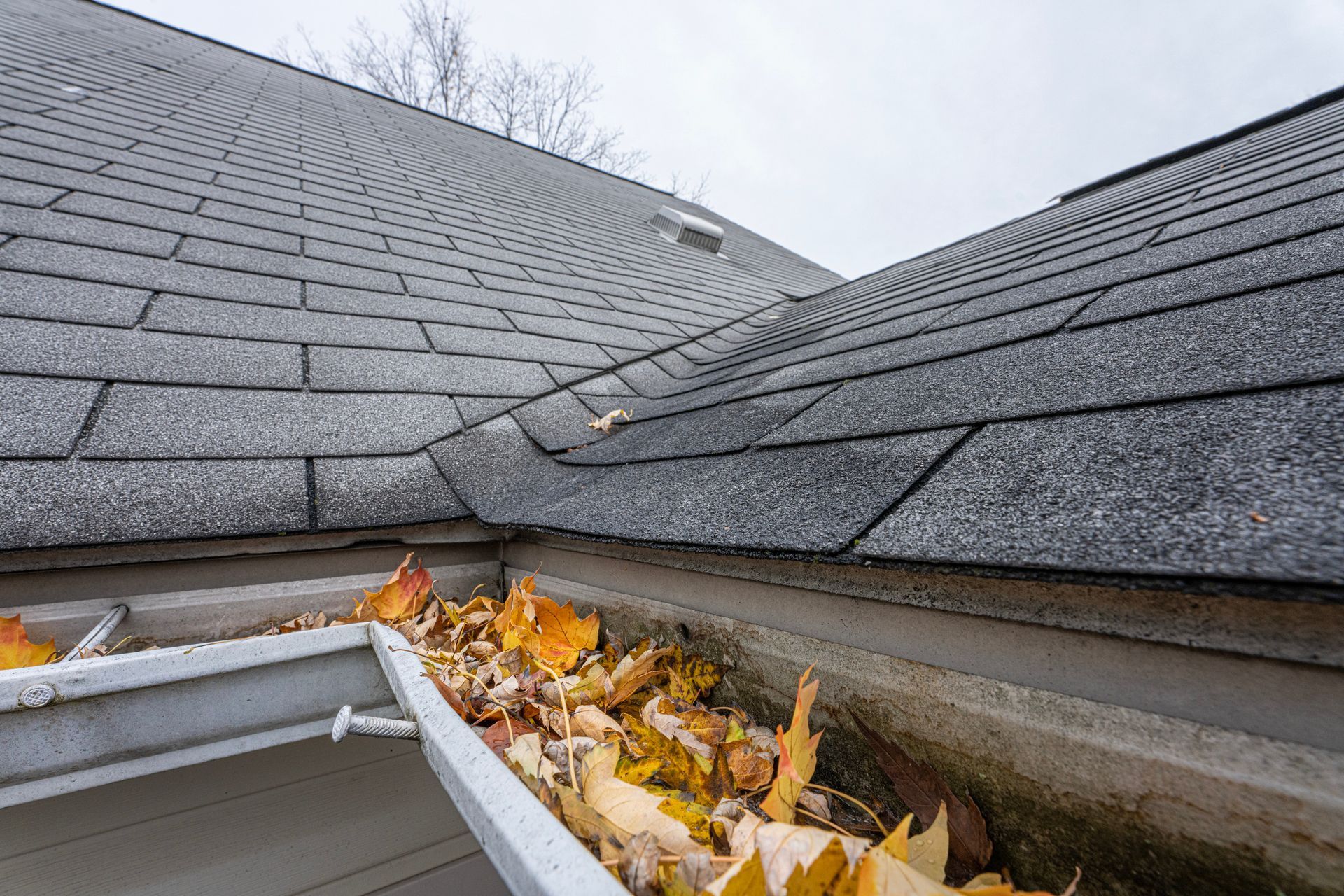
Homes with overhanging trees are especially vulnerable after high winds, as debris often collects in roof valleys and gutters. While large branches can cause immediate damage to shingles and flashing, smaller debris can trap moisture and restrict drainage, leading to problems over time.
How Does Debris Trap Moisture on a Roof?
Storm debris traps moisture by blocking drainage and airflow over the roof. Trapped moisture weakens shingles, decking, and underlayment over time.
When leaves and branches pile on a roof, water cannot drain properly. Moisture stays against the shingles for long periods.
This creates several long-term problems:
- Premature shingle deterioration
- Mold and algae growth
- Soft spots in the roof decking
- Rot beneath roofing materials
- Increased risk of leaks
In Louisiana’s humid climate, moisture damage develops quickly. Warm, trapped water accelerates deterioration beneath shingles.
How Does Storm Debris Affect Gutters?
After storms, gutters can become clogged with leaves, twigs, and roofing granules, preventing proper drainage and causing rainwater to back up onto the roof, which can lead to leaks, fascia damage, standing water, and foundation issues.
Overflowing gutters can cause:
- Water intrusion beneath shingles
- Rotting fascia boards
- Siding stains
- Soil erosion around the home
- Foundation moisture problems
Because heavy rainfall can quickly overwhelm clogged gutters, gutter-related roof damage is common after storms. Regular gutter cleaning after major weather events is one of the easiest ways to protect your roof and avoid costly repairs.

Can Storm Debris Shorten the Lifespan of Shingles?
Yes. While shingles are designed to withstand normal weather conditions, repeated contact with storm debris can accelerate wear and shorten the lifespan of your roof. For example:
- Branches scraping across shingles during high winds can remove protective granules.
- Wet debris sitting on shingles for extended periods can weaken adhesive seals.
- Heavy debris can create small punctures or cracks that worsen over time.
Even when these issues do not cause immediate leaks, they can reduce the lifespan of your roofing system and increase the likelihood of costly repairs in the future.
What Warning Signs Indicate Debris-related Roof Damage?
Dark streaks, clogged gutters, missing shingles, sagging areas, and interior water stains can all indicate debris-related roof damage.
Some signs of storm-related roof damage are easy to spot, while others require a professional inspection. Homeowners should watch for shingle granules in gutters, water stains on ceilings, and debris buildup in roof valleys. Because damage can develop beneath the surface before leaks become visible, scheduling a post-storm roof inspection is one of the best ways to identify problems early and prevent more costly repairs.
How Can Homeowners Protect Their Roof from Storm Damage?
Regular maintenance is one of the best ways to protect your roof in Louisiana's storm-prone climate. Key preventive measures include:
- Trimming overhanging tree limbs
- Cleaning gutters regularly
- Scheduling roof inspection after severe storms
Professional inspections can identify hidden damage early, helping homeowners avoid more extensive and expensive repairs.
When Should You Call a Roofing Professional After a Storm?
Homeowners should consider a professional roof inspection after any severe storm involving strong winds, hail, fallen debris, or visible roof damage. Inspections can uncover hidden issues such as loose or lifted shingles, moisture intrusion, gutter damage, flashing separation, and structural concerns before they lead to costly repairs. Early detection helps protect your investment and extend the life of your roof.